PROJECT 01 · FINANCE + NLP
Stock Return Prediction Using SEC Filing Text
Compared financial-only, text-only, and combined feature pipelines to test whether filing language adds out-of-sample return signal.
OLSNLPTime-aware validation
Each case study connects a clearly defined business problem to data preparation, predictive modeling, validation, and strategic recommendations.
Compared financial-only, text-only, and combined feature pipelines to test whether filing language adds out-of-sample return signal.
Developed classification models using CDC BRFSS health indicators to support earlier preventive intervention and targeted outreach.
Used MEPS longitudinal data to identify patients likely to become high-cost users before crisis care.
Combined next-week occupancy forecasting with linear optimization to recommend staffing and surge-bed decisions.
Complete technical materials are not publicly distributed. Recruiters, collaborators, and organizations may request a confidential discussion about methodology, findings, and implementation.
The case studies are intentionally more detailed so visitors can understand the depth of the work without accessing protected project files.
This project tested whether sentiment, tone, readability, and other numerical text features extracted from SEC filings add predictive value beyond traditional financial metrics.
This project used CDC BRFSS indicators to identify individuals at elevated risk for diabetes and support earlier screening, preventive outreach, and resource prioritization.
This project used longitudinal healthcare expenditure data to identify patients likely to become high-cost users, supporting earlier intervention and more strategic resource allocation.
This project combined CDC hospital operational data, machine learning forecasts, and a resource optimization model to recommend surge beds and additional nursing capacity.
Each case study includes the business problem, methods, selected charts, performance results, and strategic recommendations. Full code, datasets, notebooks, workbooks, and reports remain confidential.
Visitors can explore selected charts, methods, results, and recommendations directly on the website. Complete code, datasets, notebooks, workbooks, and reports remain confidential and cannot be downloaded.
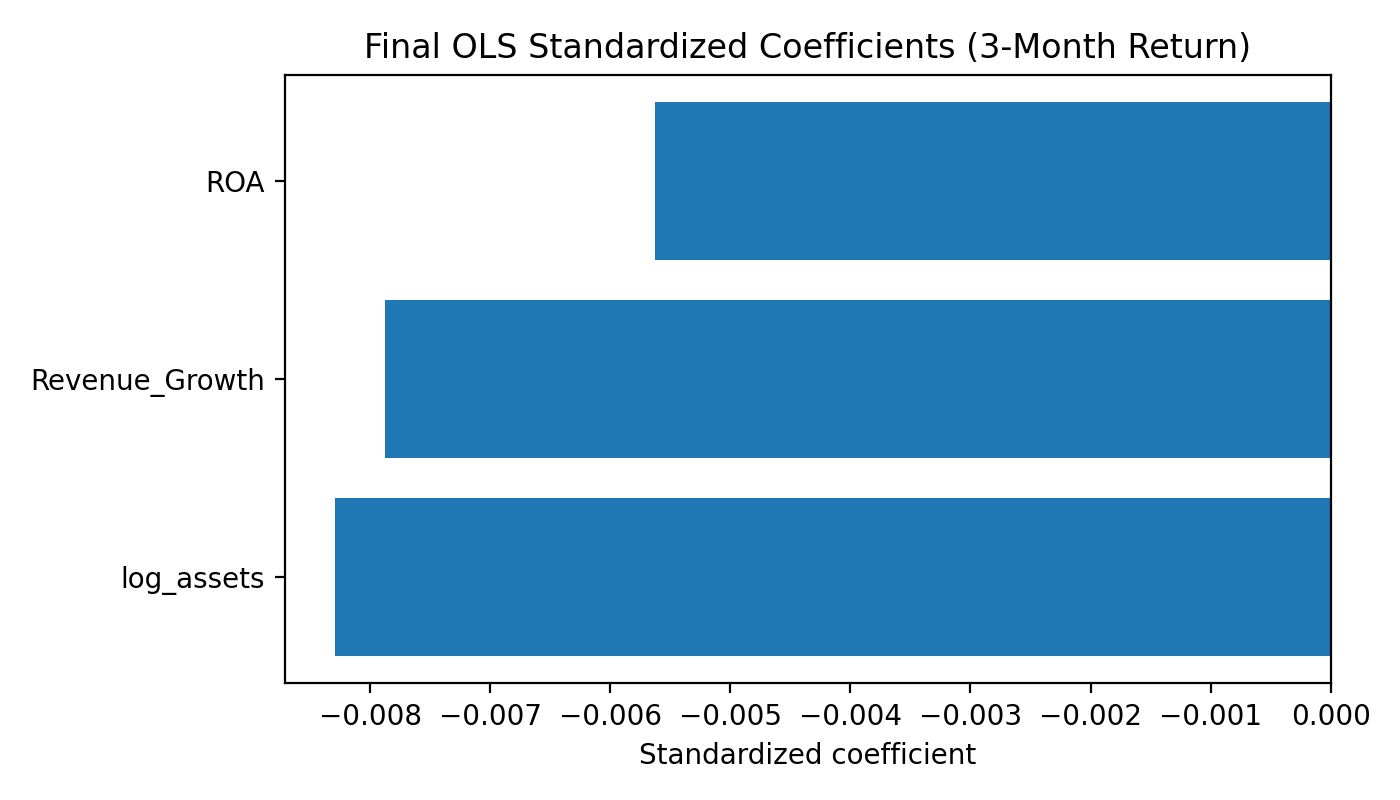
This study evaluated whether filing language adds predictive value beyond traditional financial metrics. The analysis compared financial-only, text-only, and combined models using time-aware validation.
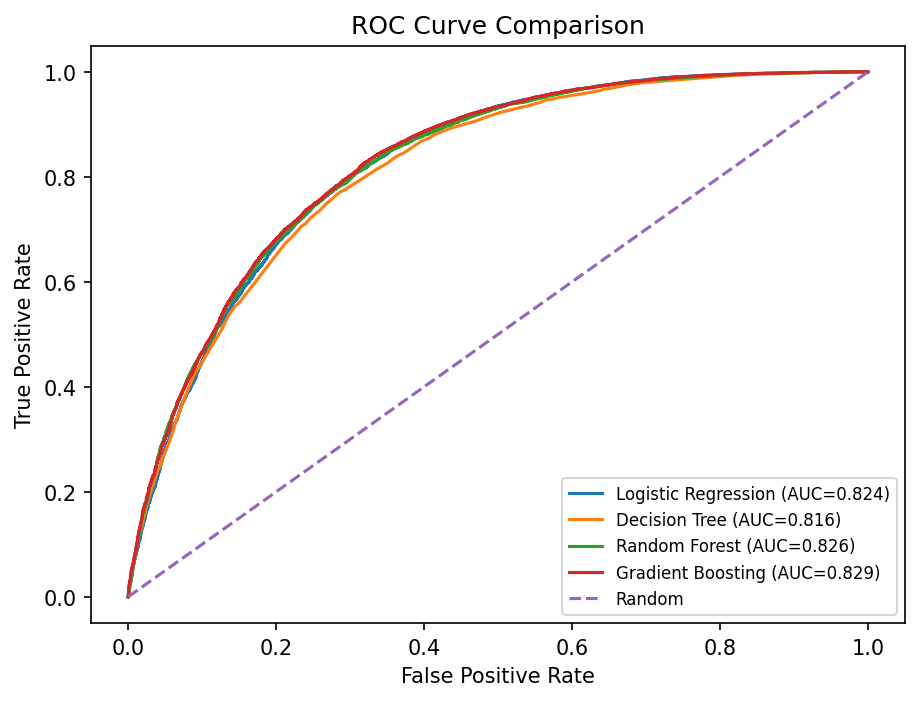
Built classification models using public health indicators to identify individuals at elevated diabetes risk and support earlier screening and preventive outreach.
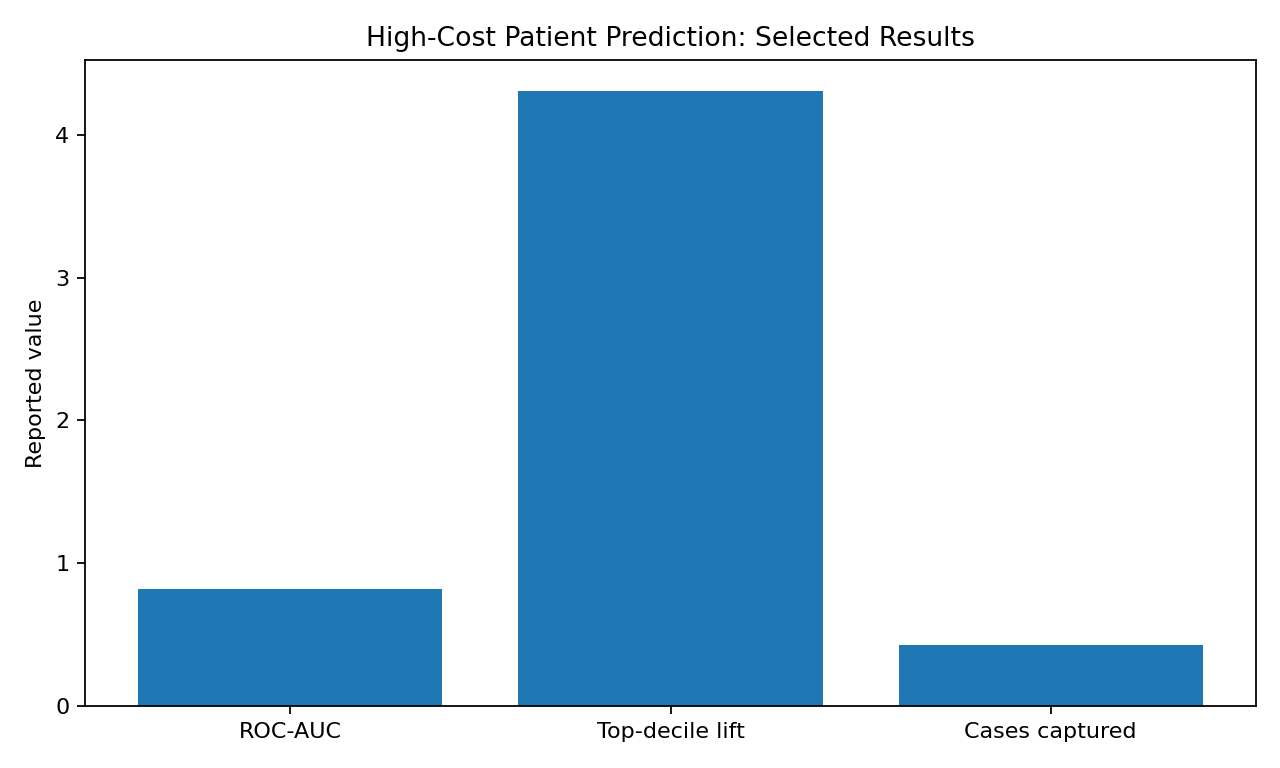
Used longitudinal healthcare expenditure data to identify patients likely to become high-cost users before crisis care, enabling earlier preventive and financial intervention.
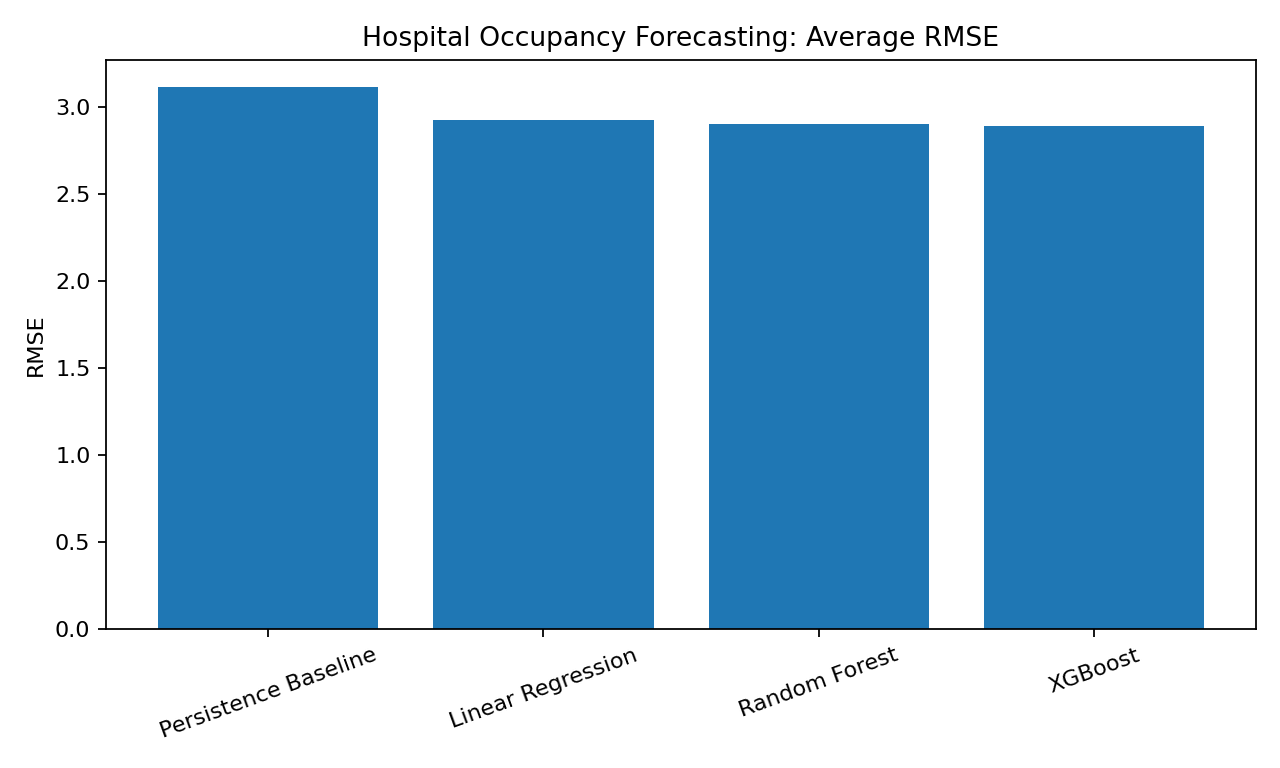
Combined next-week occupancy forecasting with operational optimization to recommend staffing and surge-bed decisions before hospital demand becomes critical.