Forecast Performance
Estimate future outcomes and compare scenarios using historical financial information.
Financial decisions depend on imperfect information. My work explores how numerical metrics, text, forecasting, and transparent modeling can help decision-makers evaluate evidence more systematically.
Estimate future outcomes and compare scenarios using historical financial information.
Convert SEC filing language into measurable indicators of sentiment, tone, and readability.
Test model stability, sensitivity, uncertainty, and out-of-sample performance.
Use interpretable models and coefficient analysis to explain what drives predictions.
Compare financial-only, text-only, and combined information pipelines.
Translate model evidence into practical recommendations without overstating certainty.
Testing whether language from company filings provides predictive information beyond traditional financial metrics.
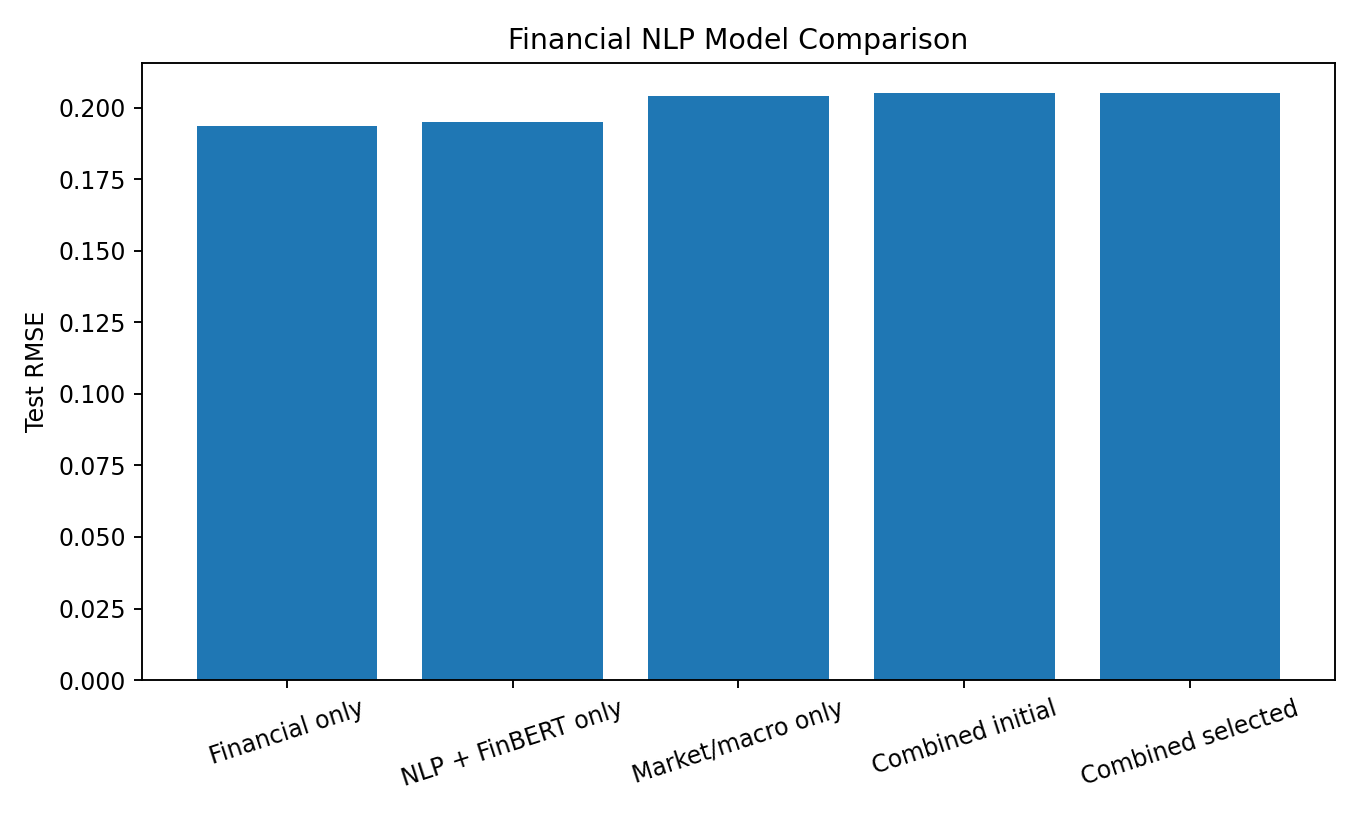
Financial-only, text-only, and combined pipelines are compared to determine whether language contributes incremental predictive value.
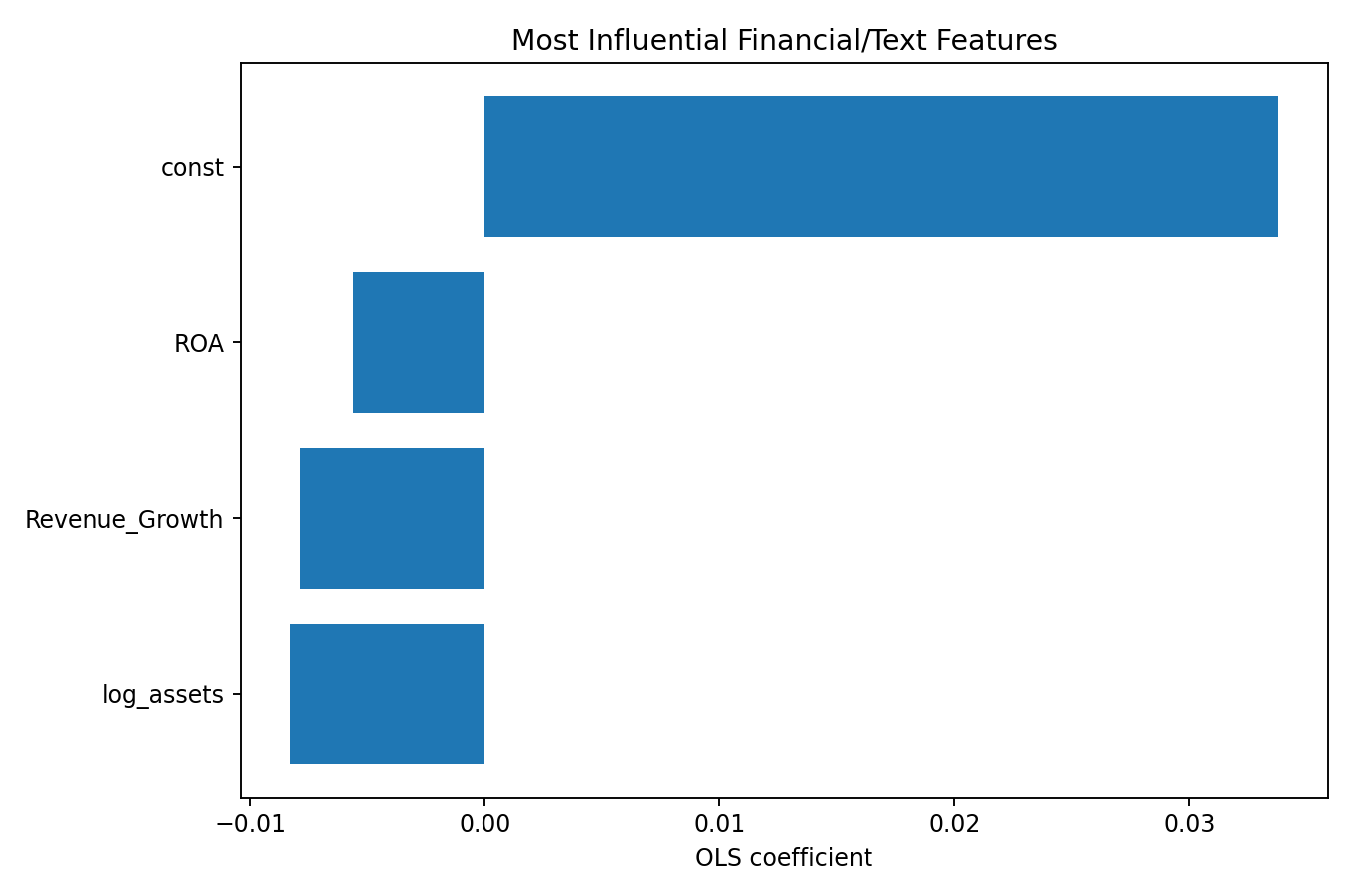
Coefficient analysis helps explain which financial and textual variables are most influential within the model.
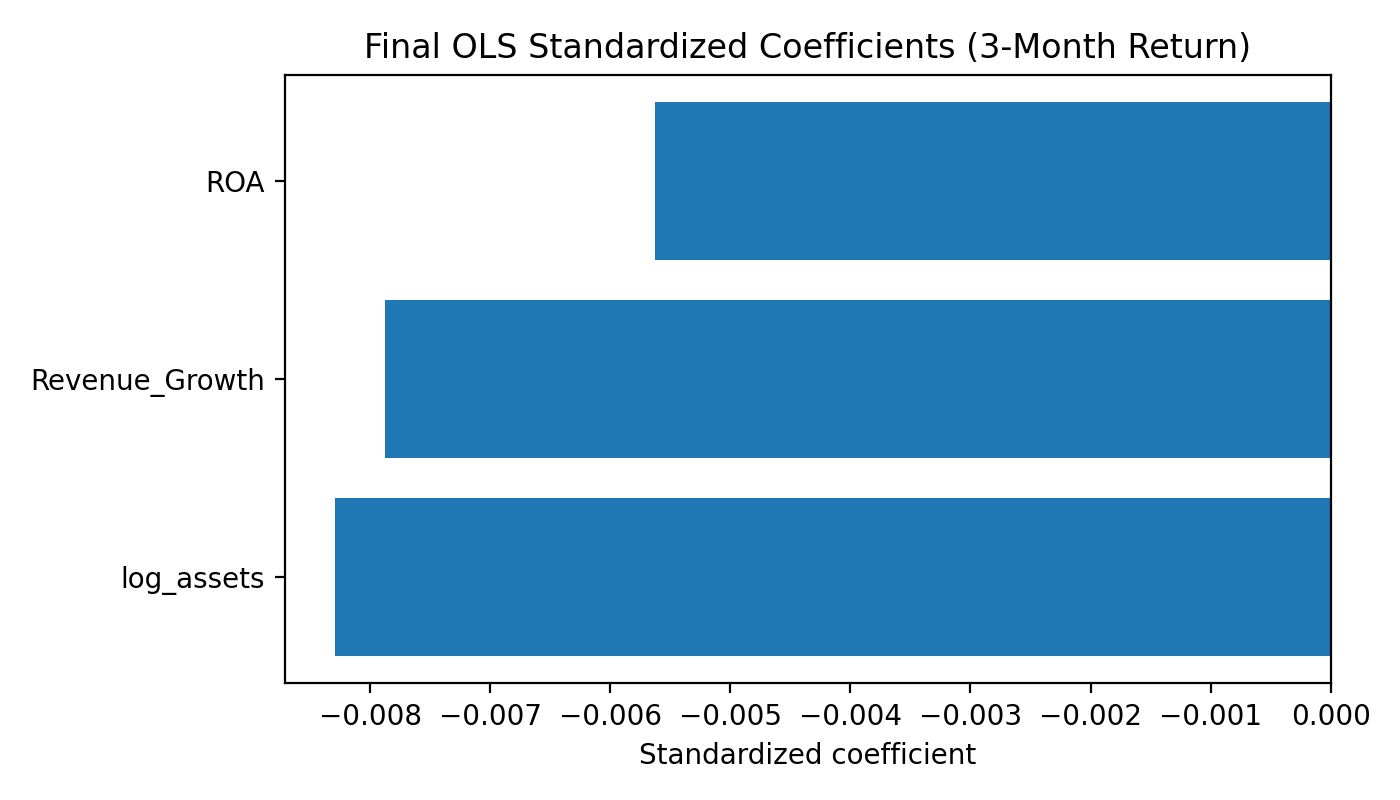
OLS provides a transparent baseline that supports coefficient interpretation, statistical review, and honest model comparison.
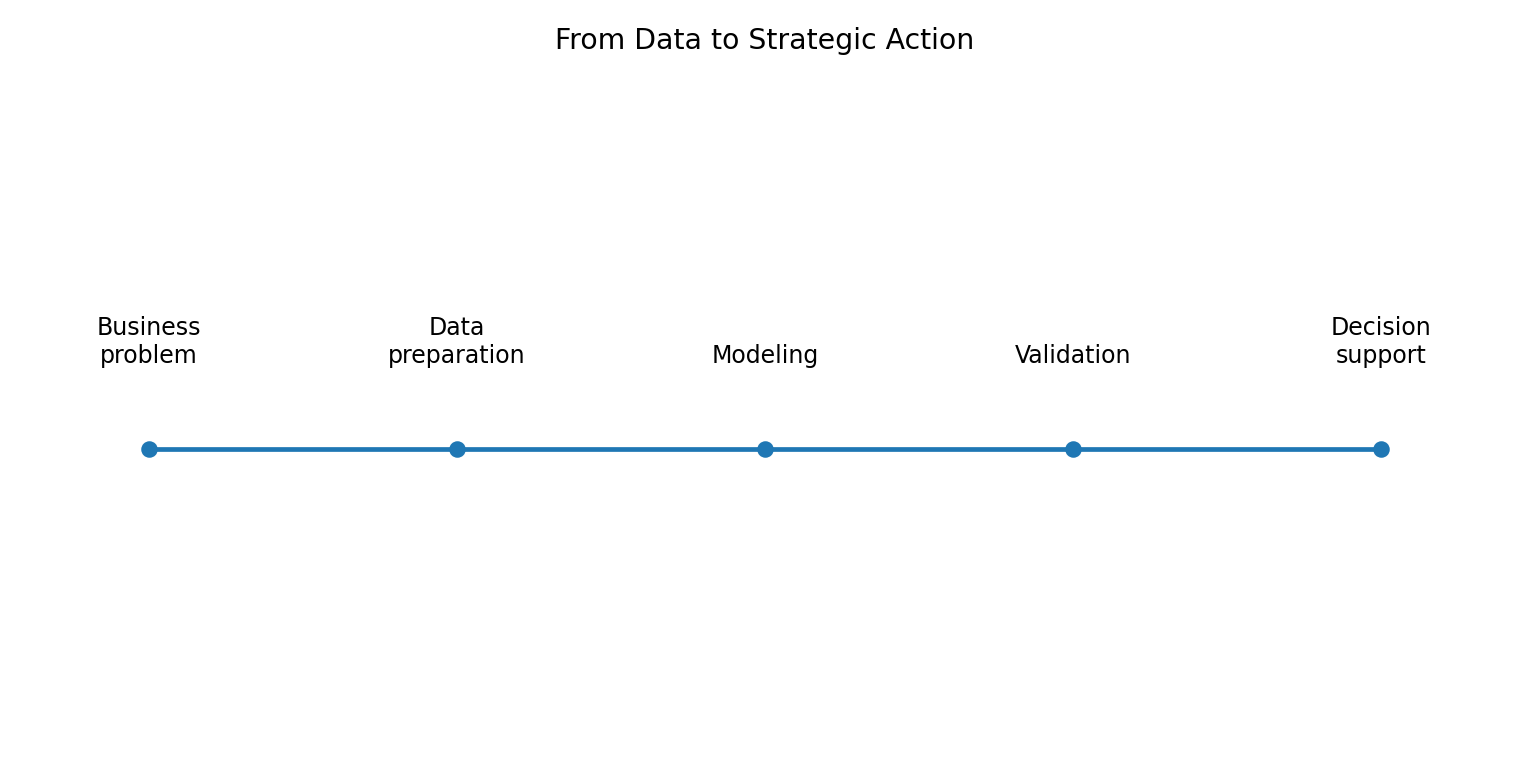
The project moves from research design and feature engineering to validation, interpretation, and financial decision support.
Estimate probability of default and support more consistent lending decisions.
Identify unusual transactions and patterns requiring further investigation.
Analyze risk, diversification, performance, and scenario sensitivity.
Estimate future revenue and support budgeting and capital planning.
Combine structured data with text to evaluate changing business conditions.
Improve reporting, anomaly detection, resource planning, and decision workflows.
Rank opportunities using transparent, repeatable analytical criteria.
Test how financial outcomes change under different assumptions and shocks.
Machine learning can help organizations organize information, test assumptions, evaluate risk, and identify patterns that may be difficult to see through manual analysis alone.